

Speakers
Six years on from the destruction of the significant cultural heritage site at Juukan Gorge, the backlash among national and global investors is still being felt. In the immediate aftermath, it demonstrated that First Nations’s cultural heritage is both a moral issue as well as a material financial risk. Now, the disaster has heralded a new era of investor activity and engagement on cultural heritage protection, including the development of the Dhawura Ngilan Business and Investor guide. In this panel discussion, we will hear from investors and companies that are seeking to implement leading practice for cultural heritage management. Eminent First Nations leaders in this space will also share their views on progress and challenges.
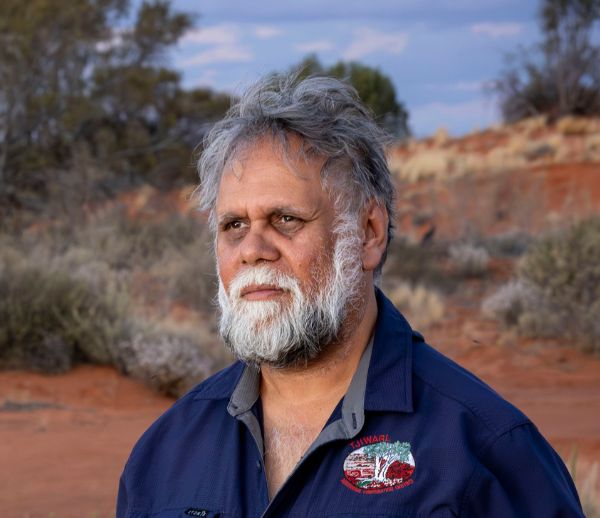
Chair of National Native Title Council and former Chair of First Nations Heritage Protection Alliance
Kado Muir is Chair of the National Native Title Council. He is a Ngalia Traditional Owner and a Wati – a Goldfields Aboriginal cultural and community leader, and an anthropologist/archaeologist with many years’ experience working in Aboriginal heritage, language preservation and maintenance, traditional ecological/education and native title research.
Kado is also Chair of the Wakamurru Aboriginal Corporation RNTBC, the PBC for Manta Rirrtinya Native Title Determination and the former founding CEO of the Goldfields Land and Sea Council. He also operates a number of businesses including an Aboriginal art business, a Sandalwood company, and a heritage consultancy business. He is a long-time activist for bi-lingual and two way education, environmental and cultural heritage protection and promoting alternative community based enterprises, especially through his PhD university partnerships for research on Wealth in First Nations.

Chief Executive Officer of National Native Title Council
Jamie Lowe is a Gundjitmara Djabwurrung man serving as the CEO of the National Native Title Council (NNTC) and inaugural Co-Chair of the Mabo Centre, established to promote Traditional Owner economic and social empowerment through a partnership with the University of Melbourne.
With a dedication to advocating for First Nations peoples' self-determination, Jamie has played a pivotal role in various significant initiatives. He was instrumental in negotiating the Closing the Gap Agreement, which took effect in July 2020, and currently represents the NNTC as a Joint Council member of the Coalition of the Peaks, advising on economic development and supporting national cooperation on Closing the Gap initiatives.
In 2021, he was appointed Indigenous Specialist Representative for the Australian Heritage Council, advising the Australian Government on heritage matters. Prior to his role at the NNTC, Jamie was the CEO of the Eastern Maar Aboriginal Corporation, which holds native title rights in southwestern Victoria, including the Great Ocean Road. He is also an inaugural member of the First Peoples’ Assembly of Victoria, which is negotiating a Treaty with the Victorian Government.
Internationally, Jamie represents the NNTC at the United Nations Permanent Forum on Indigenous Issues, contributing to discussions on Indigenous rights and advocacy. His work, both nationally and internationally, emphasizes creating economic independence while preserving cultural identity, as he champions a national Treaty and other initiatives for Traditional Owners and communities across Australia. Jamie remains committed to supporting his community and fostering economic empowerment for First Nations people.

First Nations Affairs Lead at Queensland Investment Corporation
Justin joined QIC in 2023 and is a proud First Nations man with a deep commitment to his community and social impact. Before joining QIC, Justin dedicated several years to the non-profit and community sectors, working to support and uplift organisations and communities.
At QIC, Justin brings both professional and lived experience in First Nations culture, community, compliance, risk management, and governance. He also serves as a Board Director for several community-based organisations.
This unique blend of experiences enables Justin to navigate the complexities of both cultural and corporate environments. His role at QIC allows him to drive the First Nations Strategy, creating meaningful benefits in partnership with the community and QIC.


